It modulates instead of only cycling hard
The system adjusts to the real cooling load, which can waste less electricity and lower cooling bills when the home does not need full output.
Variable-speed cooling
An Inverter AC is the cooling-only upgrade for homeowners who want lower energy use, softer starts, and quieter variable-speed cooling.
What changes
A standard AC is usually off or running at full output. That can make the home feel noisy, uneven, and expensive to run when the weather only calls for part of the system's capacity.
Inverter AC can slow down during lighter cooling loads and ramp up when summer demand is high. That means less wasted electricity during mild weather, steadier comfort, and the potential for significantly lower cooling bills in the right home.
The system adjusts to the real cooling load, which can waste less electricity and lower cooling bills when the home does not need full output.
Lower-output operation means less full-speed noise during many normal cooling hours and less needless full-blast operation.
If the furnace is healthy and you want cooling-only, inverter AC can be the practical upgrade that improves comfort without giving up the lower-bill story.
Why homeowners compare it
Inverter AC is worth comparing when the furnace still makes sense, but the old full-blast cooling bills and stop-start feel do not.
Longer lower-speed cycles can reduce the hot-cold swing people feel with basic AC.
Using less than full output during lighter loads can reduce wasted electricity compared with hard-cycling one-stage equipment.
Longer cycles can help pull more moisture from the air when system sizing and airflow are right.
Inverter power reality check
Exact watt draw varies by equipment size, temperature, ductwork, and home load. The important difference is that inverter equipment can operate below full output when the home does not need everything it has.
Common appliance loads
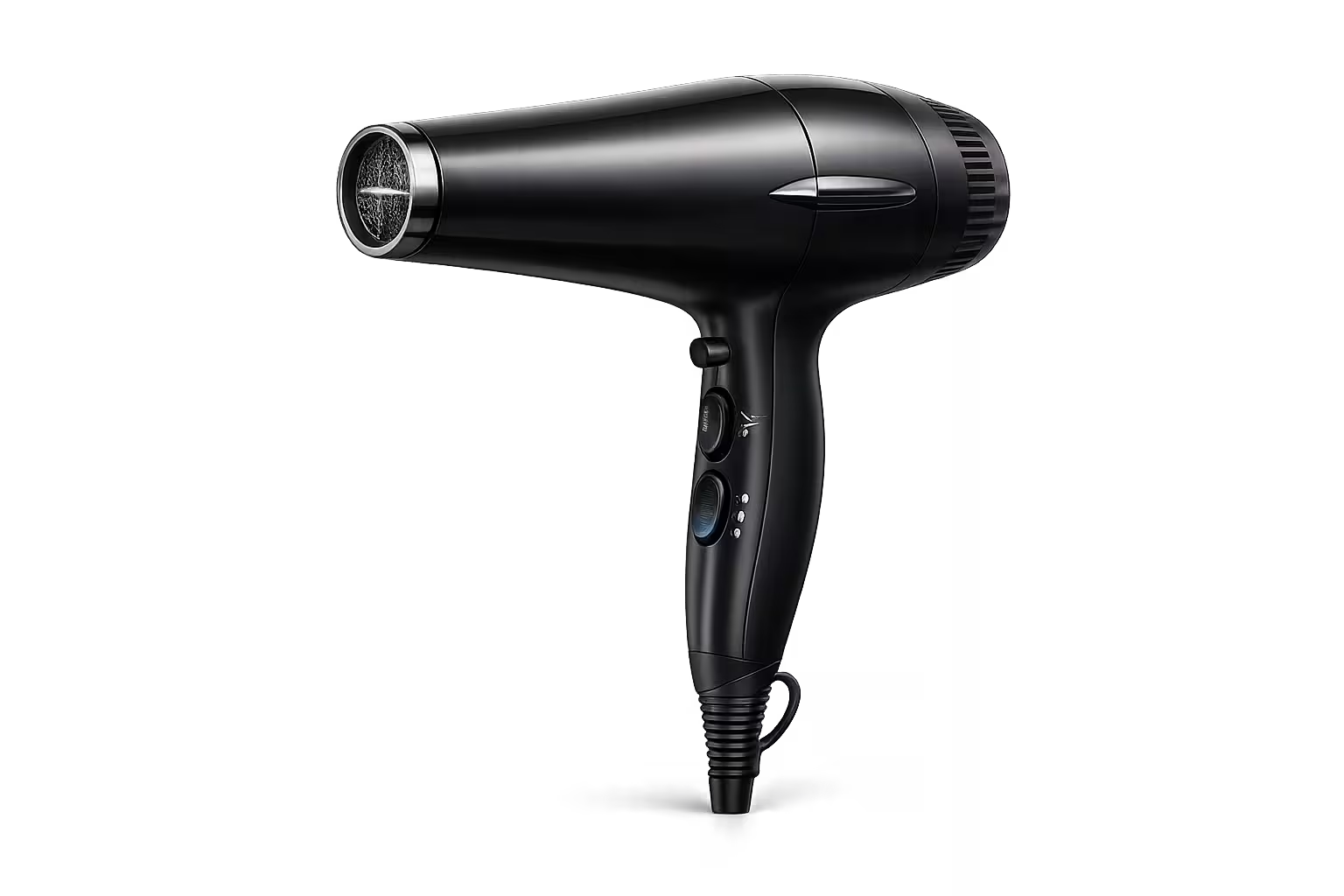
Typical high-heat appliance
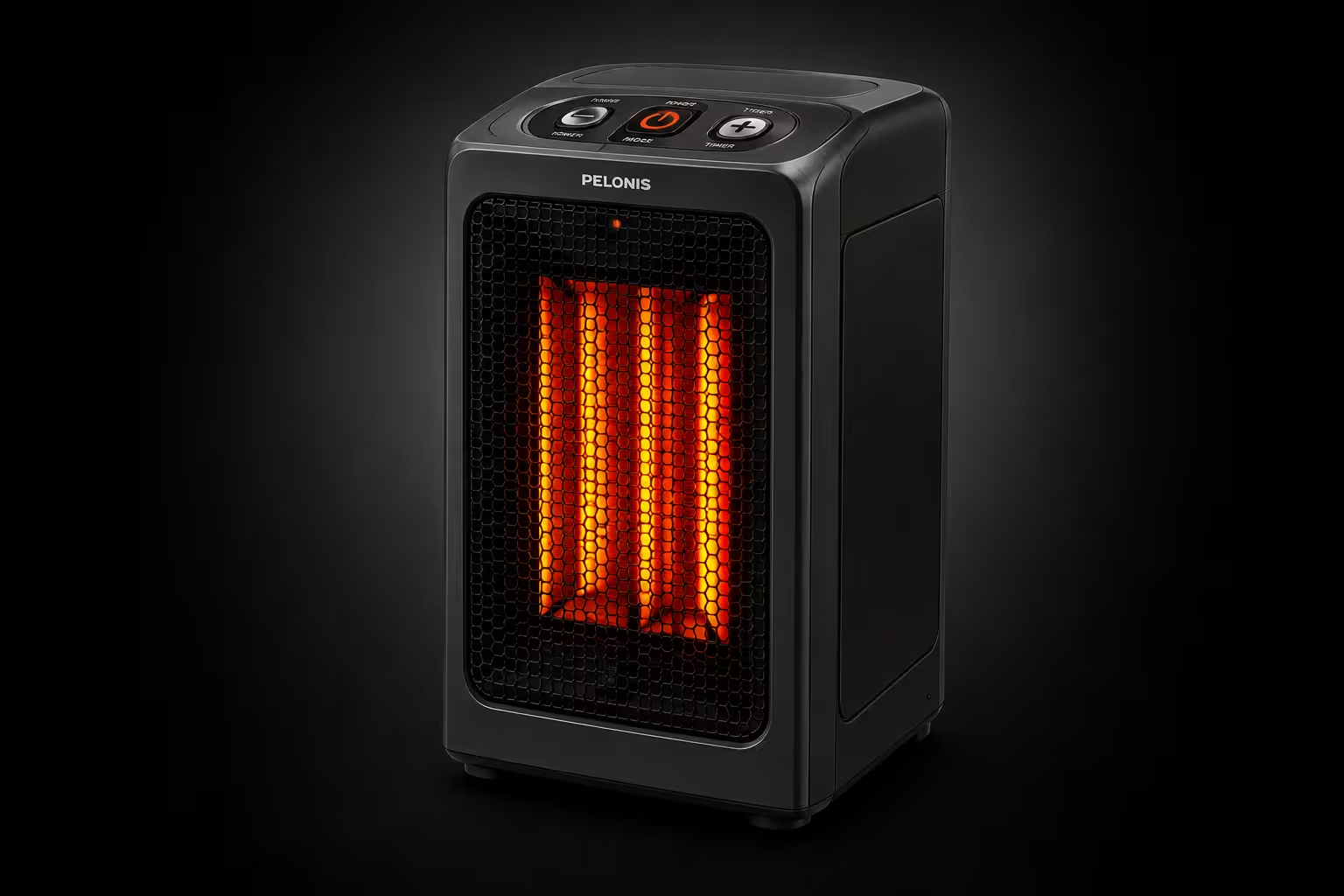
Common plug-in heater
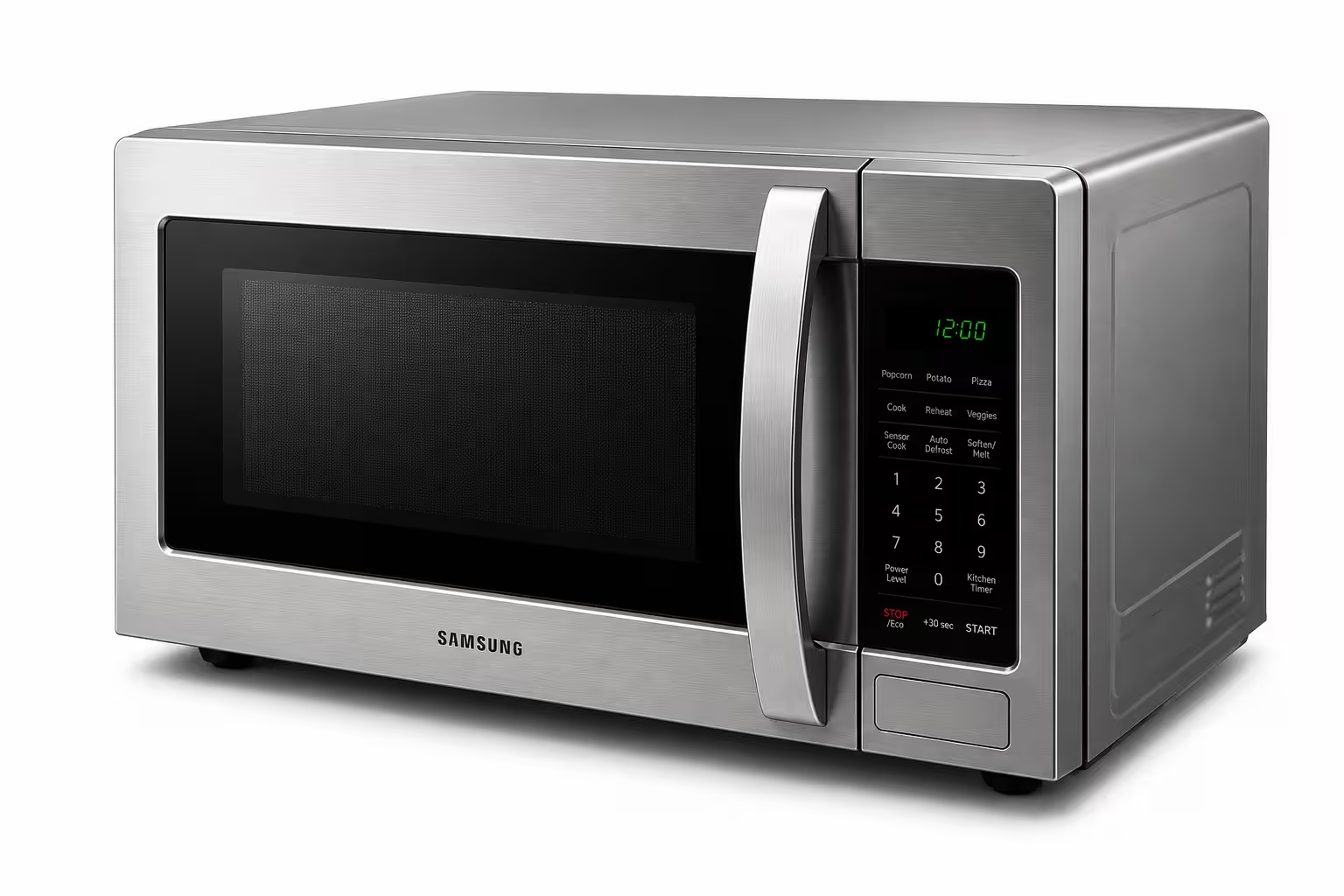
Typical kitchen load
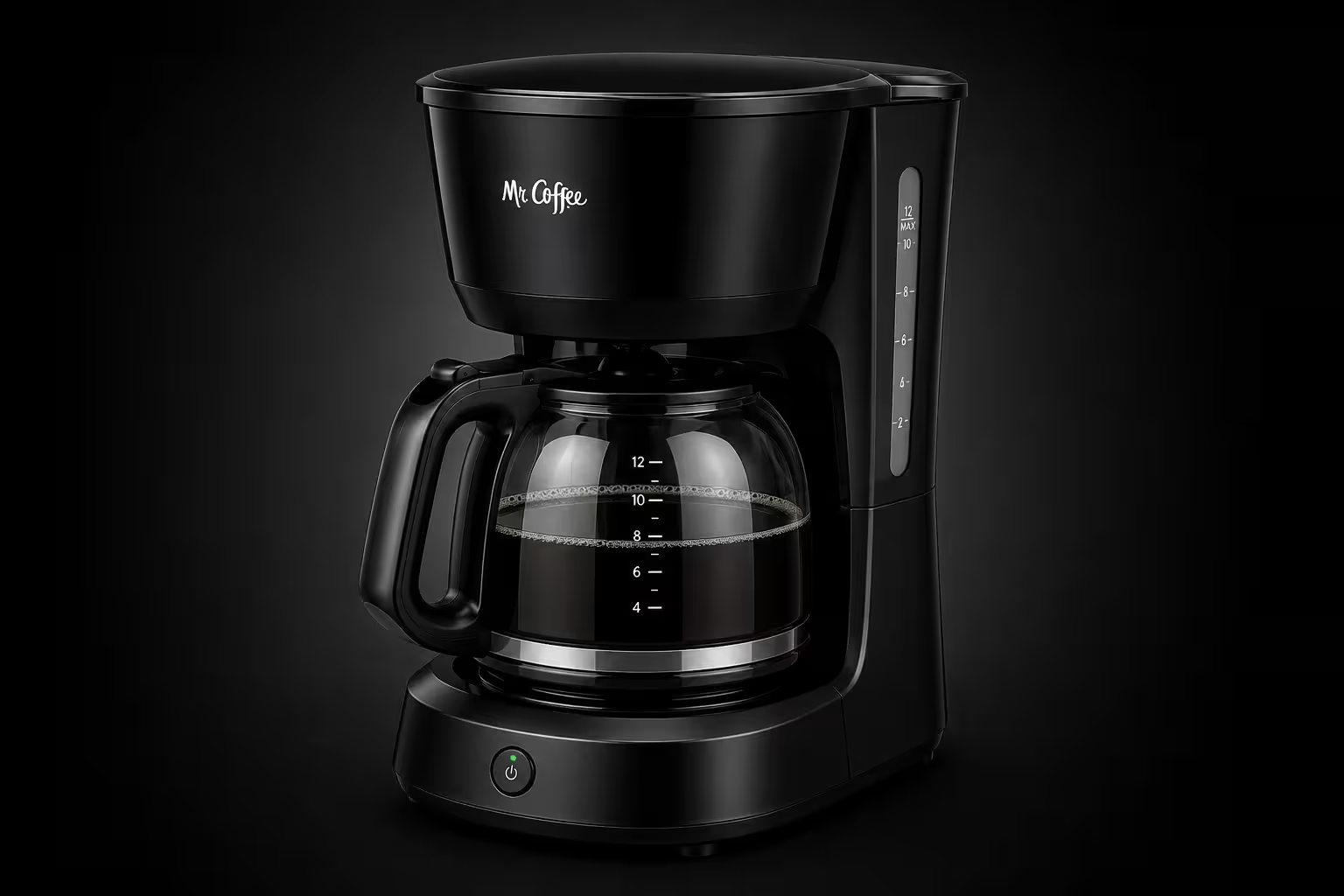
Short morning cycle
Inverter AC & Heat Pump Ranging
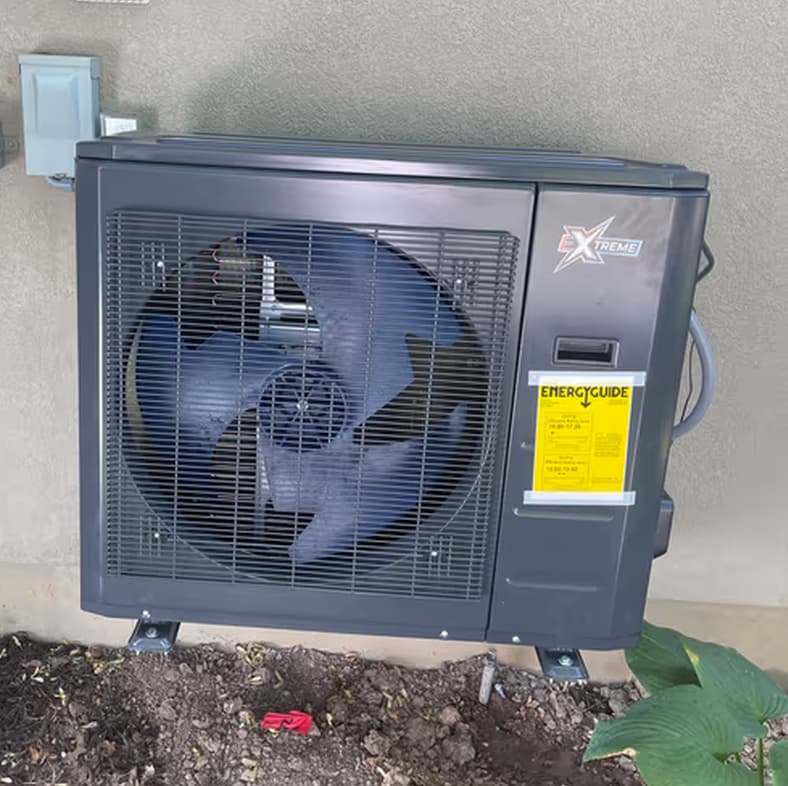
Uses about the same power as common household appliances while cooling your home at lower output, depending on conditions.
Why homeowners compare inverter systems
A properly matched inverter heat pump or dual-fuel inverter system can save roughly $600-$1,200 per year in heating and cooling cost in the right home. That depends on what equipment is being replaced, utility rates, ductwork, controls, weather, and how the home is used.
We regularly install these systems for thousands less than the big-box private-equity and franchise HVAC companies around here. Homeowners often see side-by-side quotes come in around 40% lower with us because we are not padding jobs with bloated overhead, layers of middle management, corporate markup, franchise layers, and investor-first pricing, so choosing CoolDeals can help you see a real return on your investment.
Explore the inverter cluster
Want to see inverter behavior live?
Our demo page uses an inverter heat pump, not a cooling-only AC, but the same soft-start and variable-output story is what makes modern inverter equipment so different from older single-stage systems.
Performance and energy use vary by model, system size, ductwork, installation quality, outdoor temperature, thermostat settings, and home load.
Choose the right lane
The right answer is not always the most expensive one. We compare the path that fits your home instead of forcing every homeowner into the same equipment.
Best when simple cooling and lower upfront investment matter more than premium comfort features.
Best when you want quieter cooling, lower energy use, and lower bills potential while keeping the heating side unchanged.
Best when you want inverter cooling plus efficient heating and rebate potential.
Questions
These questions help separate inverter AC from both standard AC and heat pump / AC systems.
Instead of cycling fully on and fully off, inverter AC systems adjust output with the weather and the home's cooling load. A standard AC may blast at full power on a mild spring or fall day, while an inverter system can slow down and use only part of its capacity. That usually means quieter operation, steadier indoor temperatures, lower energy use, lower cooling bills, and lower running cost through much of the season.
Compare inverter AC with standard ACYes. Inverter AC is often the sweet spot for homeowners who only want better cooling. It gives you quieter operation, steadier temperatures, lower cooling bills potential, and lower running cost without asking you to change your heating setup at the same time.
See inverter AC detailsHeat pump / AC usually makes more sense when you want the same quiet, even cooling as inverter AC but also want the system to help with heating, open the door to rebates, or lower your year-round running cost instead of only improving summer comfort. In many cases, the rebates available can bring the net price down enough that a heat pump / AC deserves a serious comparison before choosing a cooling-only system.
See when heat pump / AC makes sense