Hair dryer
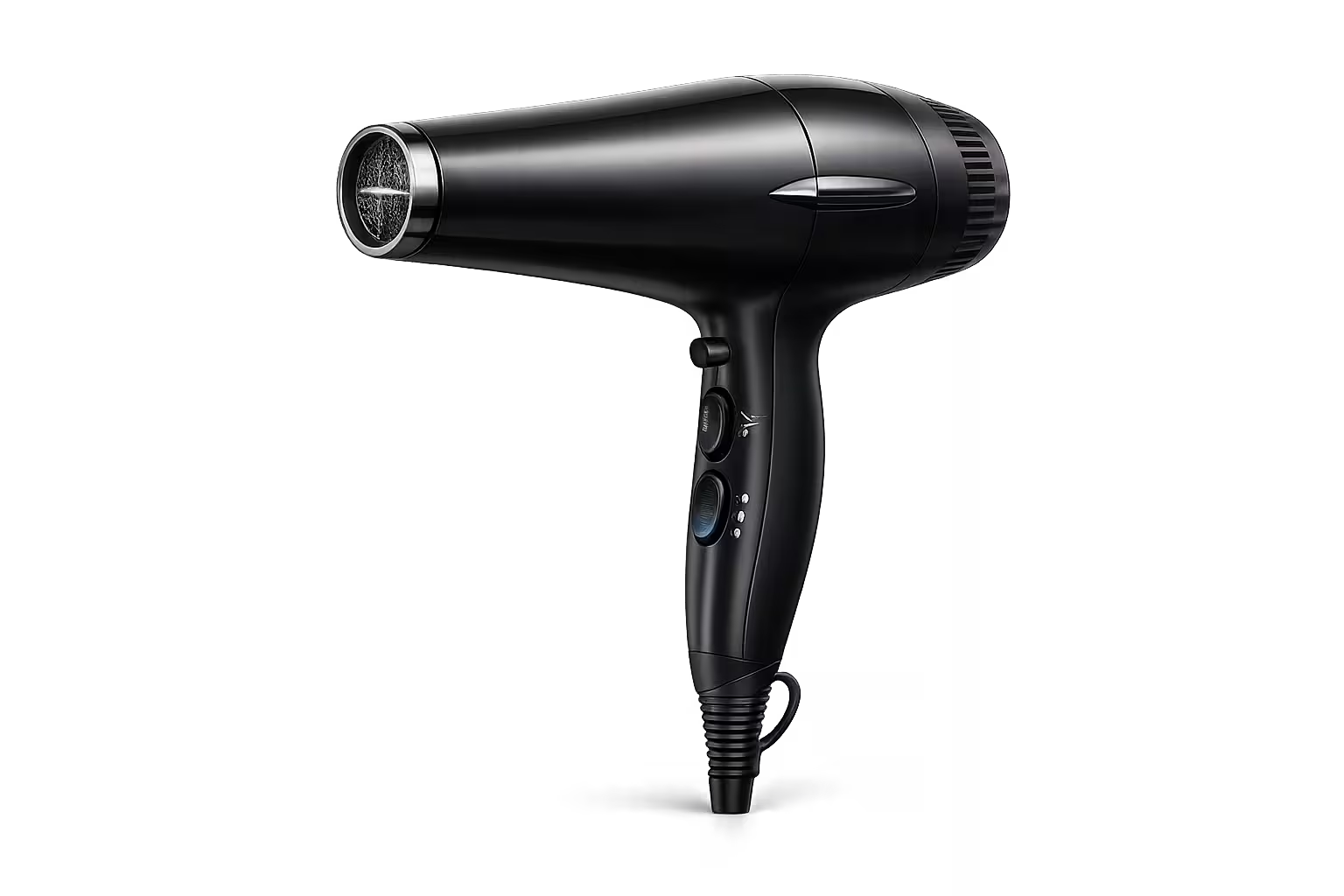
Typical high-heat appliance
Live inverter heat pump demo
We are building a real demo with an inverter heat pump, furnace, return duct, filter setup, and portable battery so Utah homeowners can see the watt draw, hear the sound level, and understand why modern inverter HVAC can use less power and cost less to run.
Demo video coming soon
See it in action
The finished video will show our inverter heat pump running on battery power, the live watt draw as the system ramps, and how quiet it sounds in real life. It is meant to make lower-load, lower-bill operation easier to understand.
Why this demo matters
Traditional single-stage systems can hit hard at startup and run at full output even when the home only needs a little heating or cooling. Inverter heat pumps change that story by ramping up smoothly and cruising at lower output when conditions allow.
That is why the battery demo is useful. It turns efficiency into something you can see on a meter instead of only reading on a brochure, and it helps show why lower bills are realistic for many homeowners.
The system ramps instead of hammering on all at once.
When the home only needs part of the capacity, inverter equipment can slow down and avoid paying for full-blast operation.
Smooth, variable operation is easier to demonstrate, easier to plan around, and usually much easier on overall energy use.
Typical running watts
The surprise is not that a heat pump uses power. The surprise is how little a modern inverter system can use while heating and cooling your whole home once it is cruising, which is why the operating-cost story is so different from old single-stage HVAC.
Common appliance loads
Typical high-heat appliance
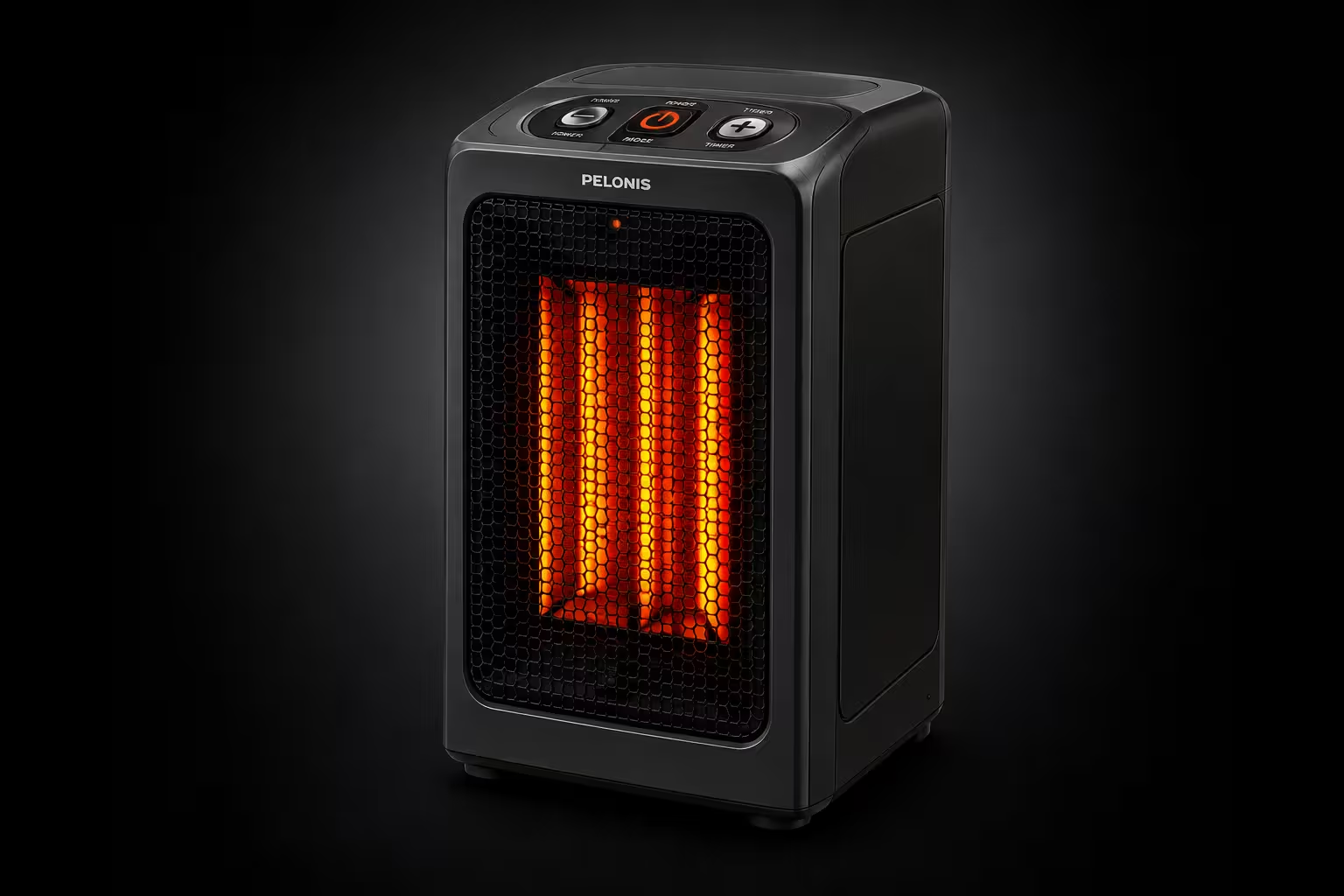
Common plug-in heater
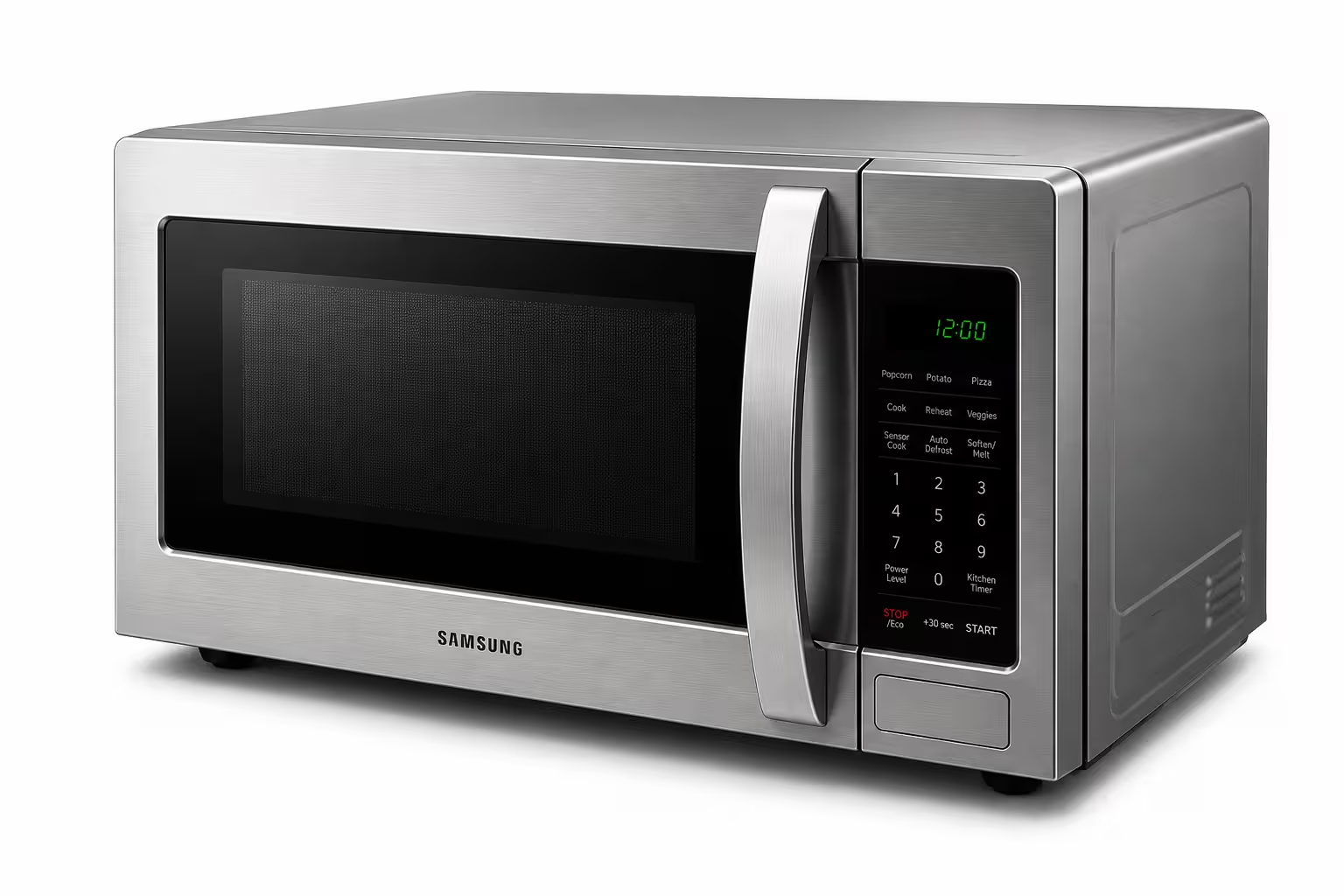
Typical kitchen load
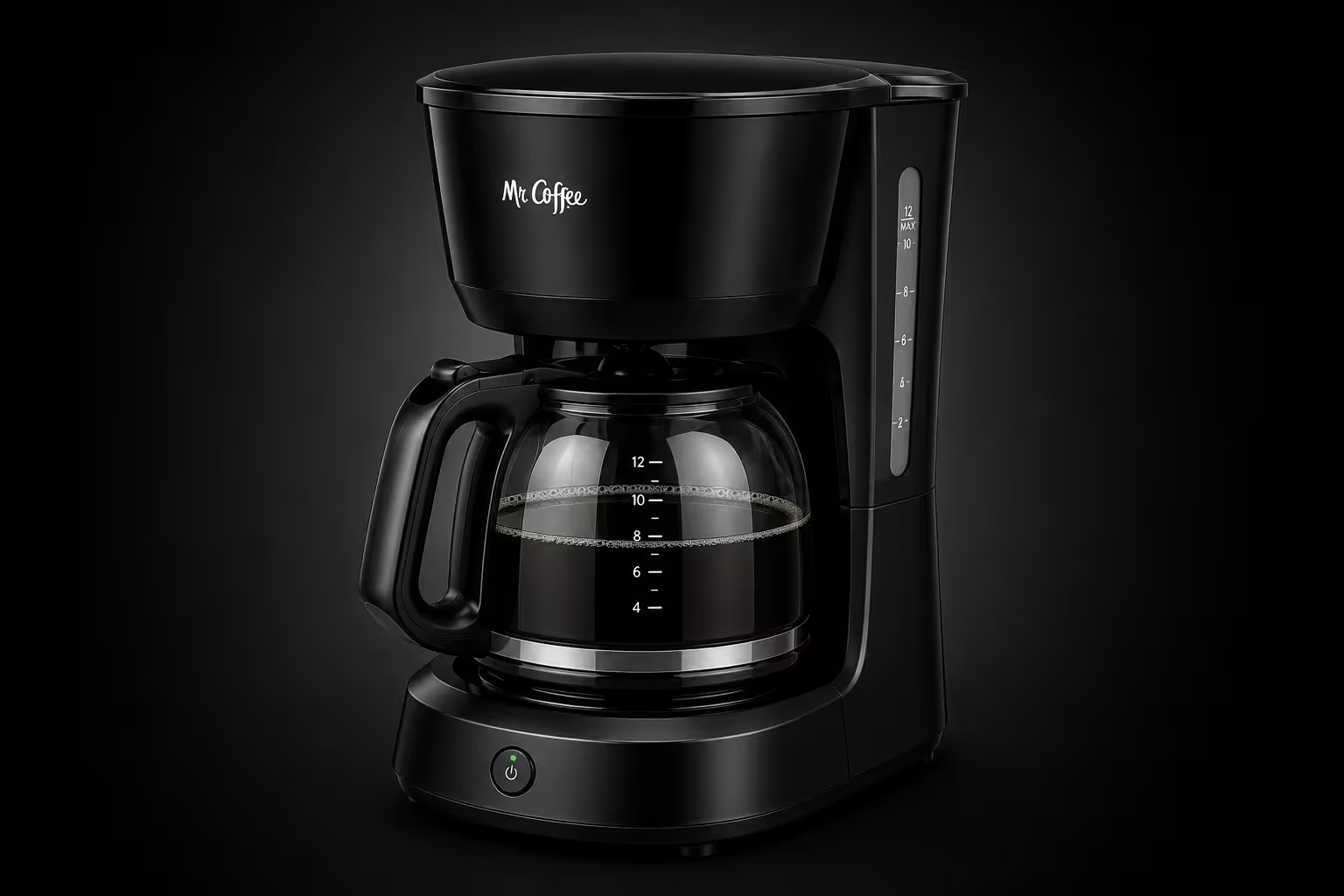
Short morning cycle
Inverter AC & Heat Pump Ranging
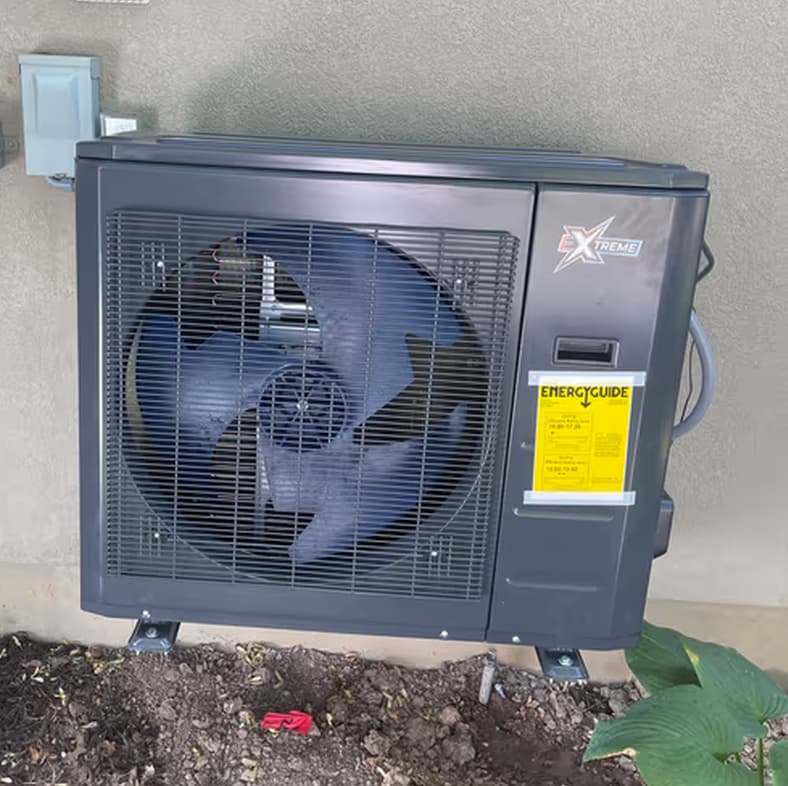
Uses about the same power as common household appliances while heating or cooling your whole home once it is cruising.
Why homeowners compare inverter systems
A properly matched inverter heat pump or dual-fuel inverter system can save roughly $600-$1,200 per year in heating and cooling cost in the right home. That depends on what equipment is being replaced, utility rates, ductwork, controls, weather, and how the home is used.
We regularly install these systems for thousands less than the big-box private-equity and franchise HVAC companies around here. Homeowners often see side-by-side quotes come in around 40% lower with us because we are not padding jobs with bloated overhead, layers of middle management, corporate markup, franchise layers, and investor-first pricing, so choosing CoolDeals can help you see a real return on your investment.
Explore the inverter cluster
Power usage varies by model, settings, weather, system size, and home load. Inverter AC and heat pump wattage is an example operating range, not a guarantee for every system.
Portable battery demo setup
We are using a portable 120V/240V-capable battery as a visual demo tool, not as something automatically bundled with an HVAC install.
Battery is not included with an HVAC system unless specifically quoted. Backup design should be sized for the actual system, home, and loads you want to support.
Conservative runtime examples
When the system is cruising low and the home load is light.
A more realistic middle range for a controlled demonstration.
Shorter runtime when the system is working harder.
Runtime varies based on outdoor temperature, thermostat settings, home load, battery size, blower speed, system size, and operating conditions.
Dual fuel inverter heat pump
A dual-fuel inverter heat pump pairs an electric heat pump with a gas furnace. The heat pump handles efficient heating and cooling most of the year, while the furnace is available for colder conditions or backup operation. That is one of the strongest ways to chase lower bills without giving up backup confidence.
Variable output can reduce wasted full-speed operation and lower bills compared with older one-stage equipment.
Lower-speed operation usually sounds calmer inside and outside.
Gas backup remains available when the home needs it.
The compressor ramps smoothly instead of spiking hard at startup.
A better match for homes thinking about solar or backup power.
Many homeowners may qualify for rebates up to $2,250.
Lower bills, smarter investment
High-efficiency inverter systems can reduce operating cost when replacing older equipment.
Most homeowners may qualify for rebates up to $2,250 depending on program rules.
Lower bills, quieter operation, and available rebates can make the upgrade easier to justify.
Savings vary based on existing equipment, home efficiency, utility rates, system usage, and installation conditions. Rebate eligibility varies by utility program and homeowner qualification.
Why CoolDeals Heating & Air
CoolDeals is an owner-operated Utah HVAC contractor serving Utah County and Salt Lake County. The goal is simple: honest options, expert installs, and no pressure when you are comparing new equipment.
You deal with a local HVAC contractor, not a private-equity sales machine.
We explain standard AC, inverter AC, heat pump / AC, and dual fuel without forcing one answer.
Equipment choice matters, but sizing, airflow, ductwork, and setup matter just as much.
Serving Utah County and Salt Lake County with installation, repair, and maintenance.
Questions
Yes, with the right inverter equipment and battery configuration, a central system can run in a controlled battery demo. Modern inverter heat pumps are more battery-friendly than traditional single-stage systems because they ramp up smoothly and can operate at lower output when full capacity is not needed.
See dual-fuel optionsNo. The portable battery is part of the demonstration unless it is specifically included in a custom quote. The purpose of the demo is to make real watt draw, soft-start behavior, and operating sound easier to see and hear.
Request a custom quoteRuntime depends on battery size, outdoor temperature, thermostat settings, home load, blower speed, equipment size, and operating conditions. A roughly 4kWh battery may run a lightly loaded inverter system for several hours, while heavier ramping can shorten runtime a lot.
Compare heat pump / ACInverter systems use soft-start compressor technology and variable-speed operation. That reduces the big startup spikes common with older equipment and allows the system to cruise at lower wattage when the home does not need full output, which is also why they can cost less to run day to day.
Learn about inverter ACMany homeowners can lower heating and cooling costs when replacing older equipment with a high-efficiency inverter system, especially when rebates apply. Actual savings vary based on the old system, home efficiency, utility rates, system usage, and installation conditions.
See cost factorsA dual-fuel setup pairs an electric inverter heat pump with a gas furnace. The heat pump handles efficient heating and cooling most of the year, while the furnace is available for backup or colder conditions.
Explore dual fuelReady to compare your options?
We can look at your home, explain the tradeoffs, and quote the system that actually fits your comfort goals and budget.