Inverter heat pump first
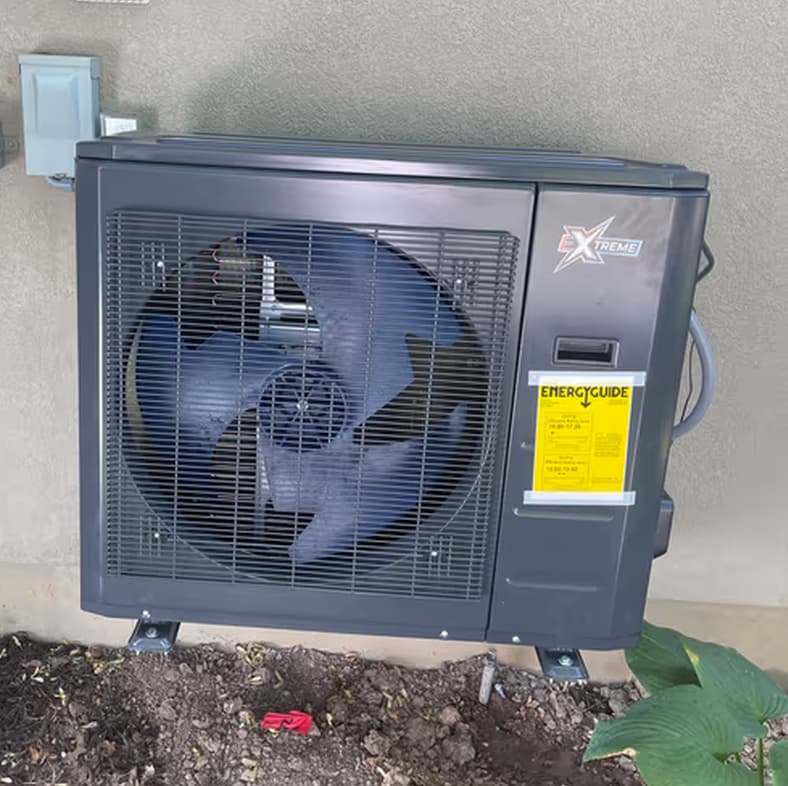
The outdoor unit can cool like an AC and provide efficient electric heat when conditions make sense, which is where much of the lower-bill story comes from.
Dual fuel inverter heat pump / AC
A dual-fuel system gives you high-efficiency heat pump cooling and heating most of the year, then keeps a gas furnace ready for colder days or backup comfort. That is why many homeowners see lower bills without giving up winter confidence.
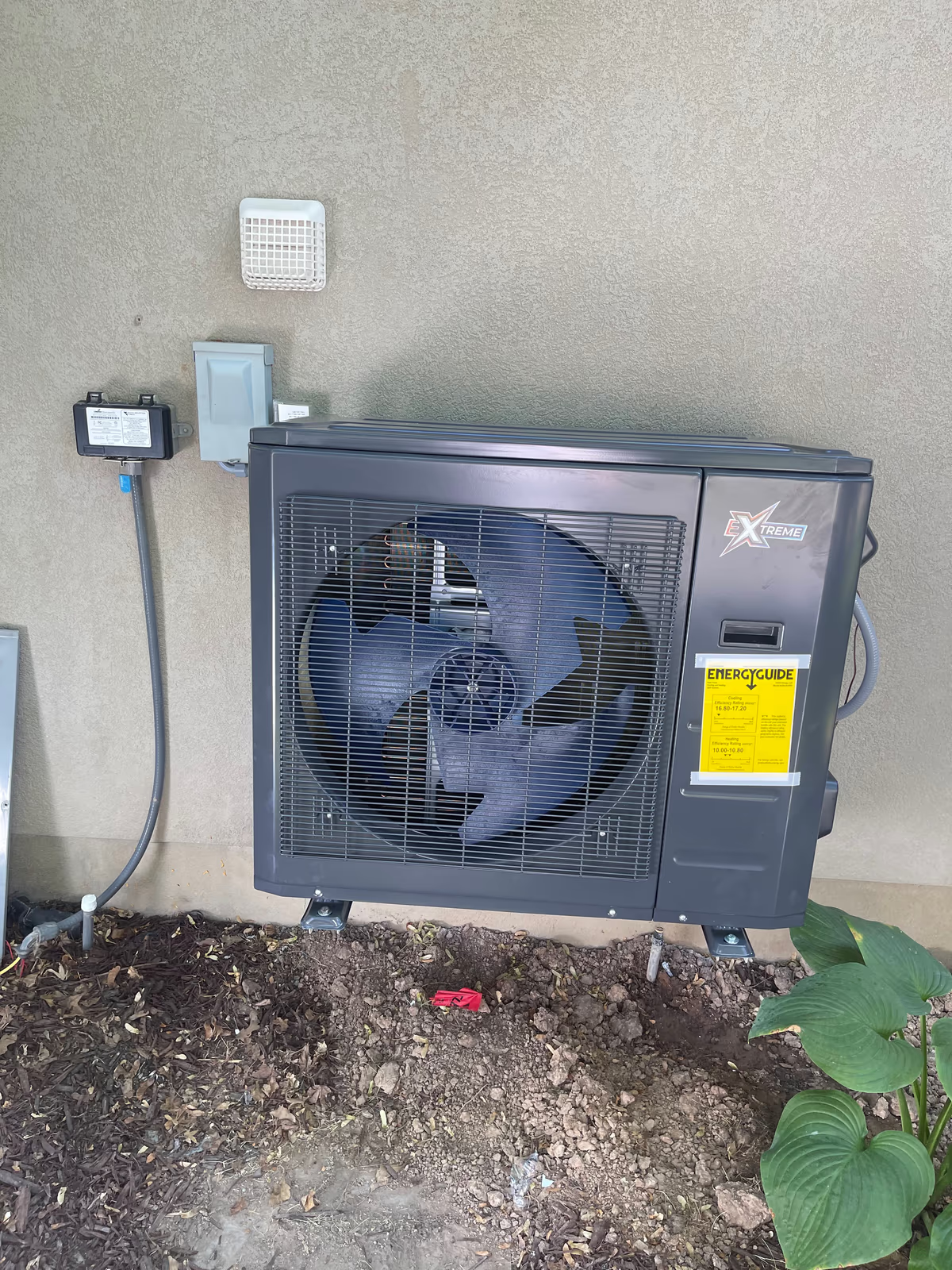
What it is
A dual-fuel inverter heat pump replaces your outdoor AC with a system that can cool in summer and provide efficient electric heat during milder winter conditions. When gas heat is the better fit, the furnace is still there.
The point is not forcing every home into the same answer. The point is comparing comfort, operating cost, rebates, and backup heat before you commit.
The outdoor unit can cool like an AC and provide efficient electric heat when conditions make sense, which is where much of the lower-bill story comes from.
When the thermostat calls for backup or colder weather changes the math, the furnace can take over.
Equipment matters, but airflow, controls, sizing, and install quality decide how the system feels.
Why homeowners choose dual fuel
Dual fuel is built for homeowners who want inverter comfort and lower utility bills potential without giving up the gas backup they already trust.
Variable-speed operation can reduce waste compared with full-blast on/off cycling and help cut utility bills in the right home.
Running lower for longer usually means calmer sound inside and outside.
Instead of big swings, the system can modulate to hold steadier comfort.
The compressor ramps smoothly, which is easier on equipment and friendlier to backup planning.
Inverter equipment is a better match for homeowners thinking about future backup power.
Gas backup gives you a familiar safety net when winter demand gets serious.
Inverter power reality check
The inverter is the big difference. Instead of slamming on at full power every time, the system can ramp up, slow down, and keep working at lower output when your home only needs part of its capacity, which is a big part of how dual fuel can lower waste and lower bills.
Common appliance loads

Typical high-heat appliance
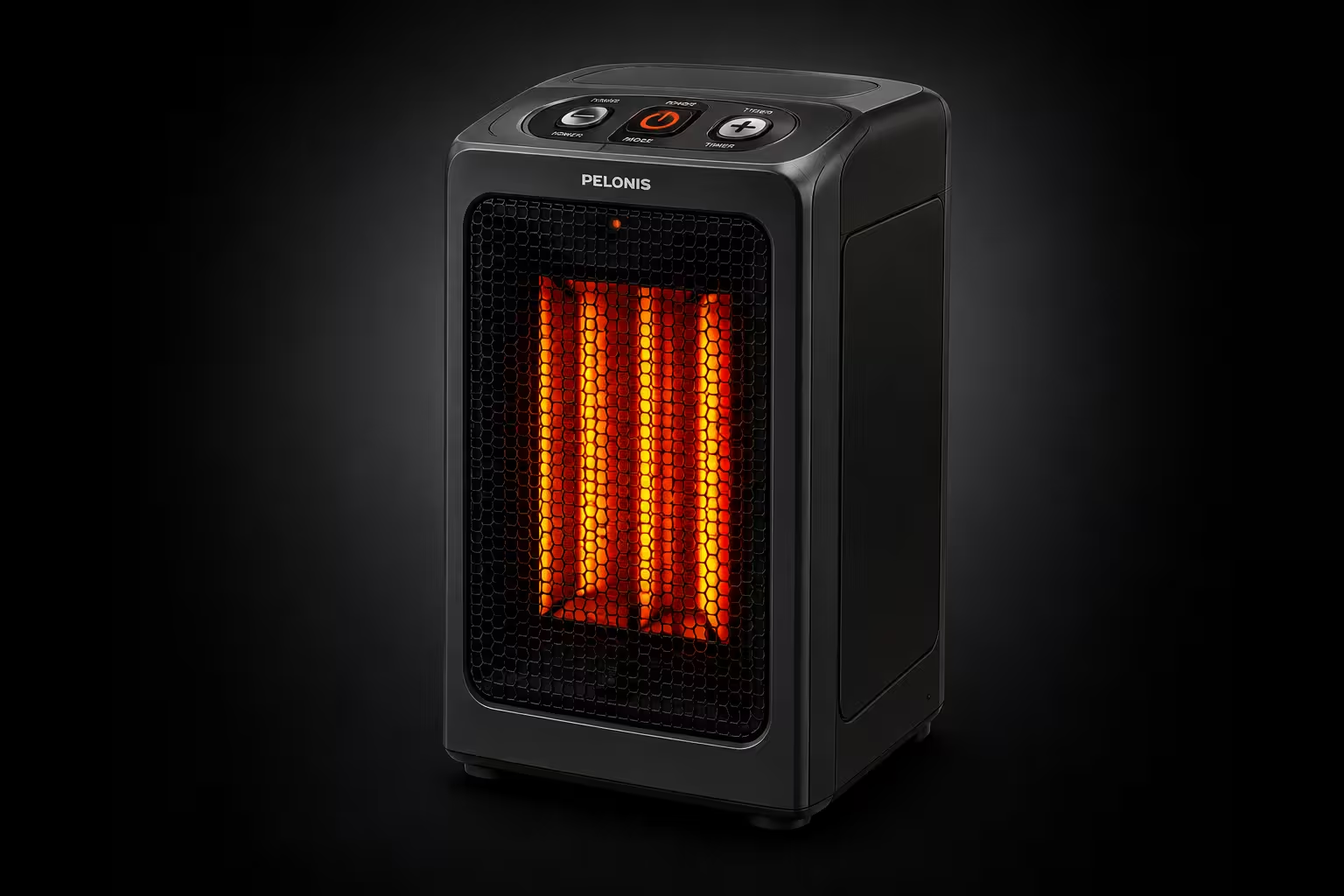
Common plug-in heater
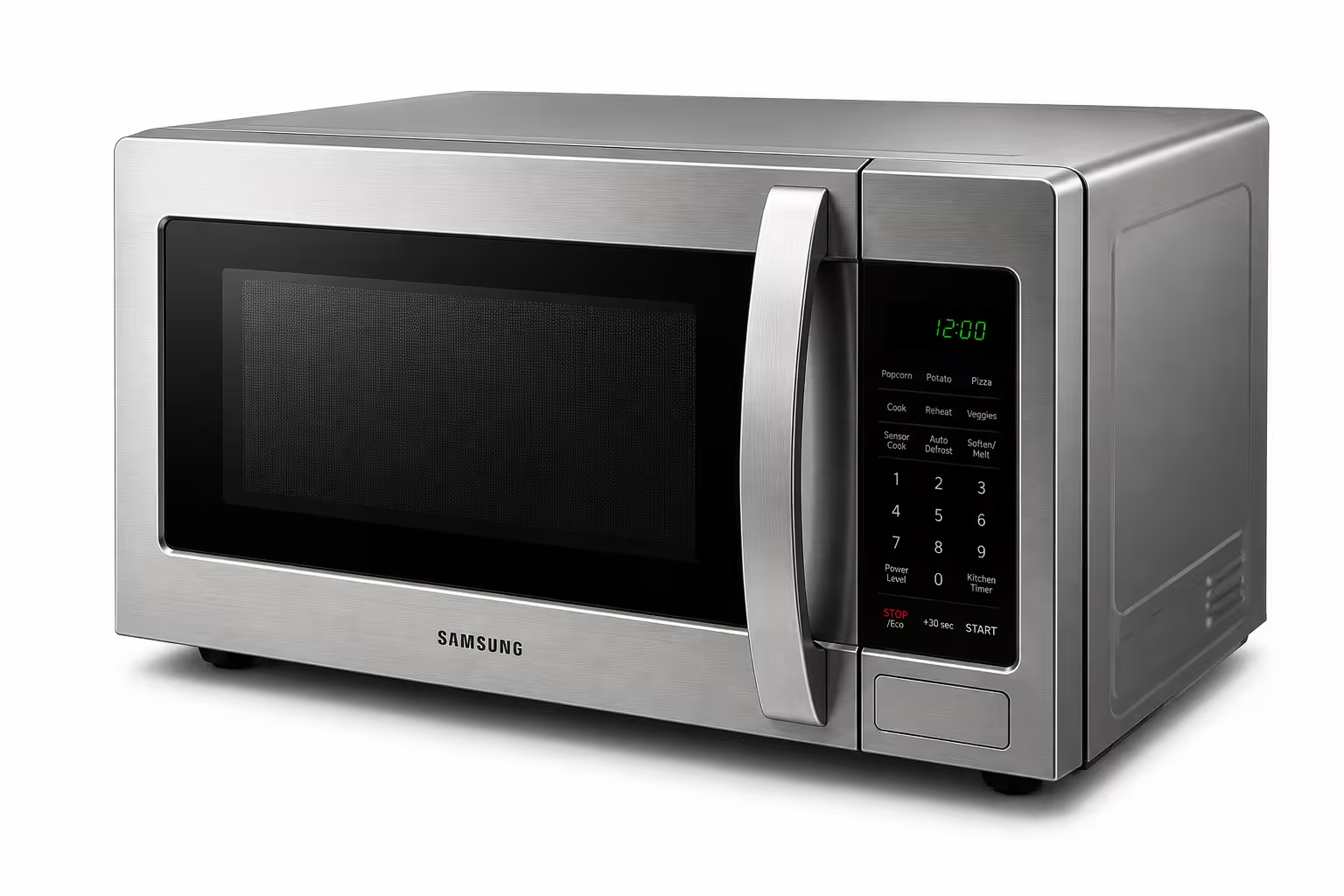
Typical kitchen load
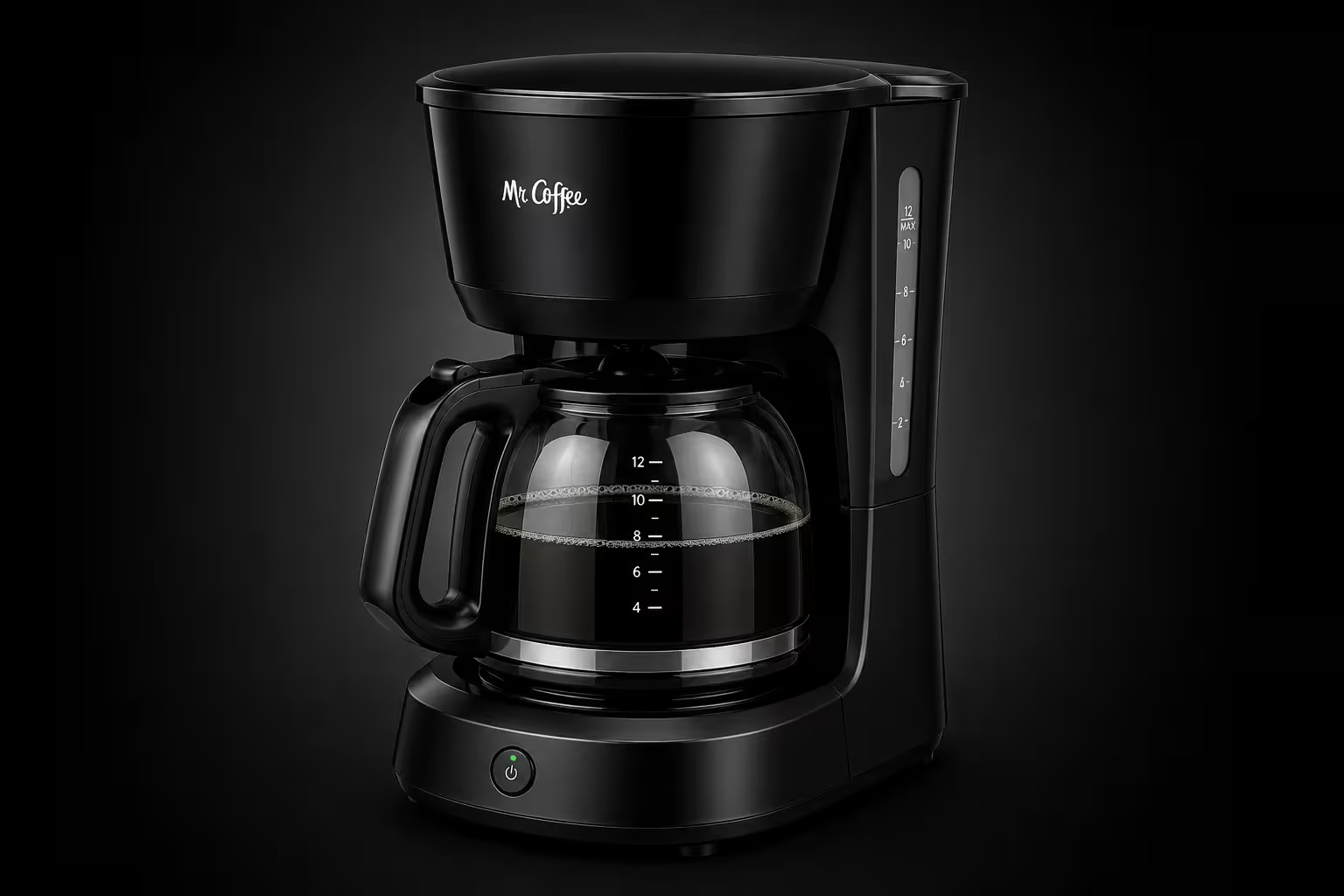
Short morning cycle
Inverter AC & Heat Pump Ranging
Uses about the same power as common household appliances while heating or cooling your whole home.
Why homeowners compare inverter systems
A properly matched inverter heat pump or dual-fuel inverter system can save roughly $600-$1,200 per year in heating and cooling cost in the right home. That depends on what equipment is being replaced, utility rates, ductwork, controls, weather, and how the home is used.
We regularly install these systems for thousands less than the big-box private-equity and franchise HVAC companies around here. Homeowners often see side-by-side quotes come in around 40% lower with us because we are not padding jobs with bloated overhead, layers of middle management, corporate markup, franchise layers, and investor-first pricing, so choosing CoolDeals can help you see a real return on your investment.
Explore the inverter cluster
Want to see it happen live?
The demo is designed to show watt draw, soft-start behavior, and how quiet a modern inverter heat pump can be once it is cruising. Battery runtime varies, and batteries are not automatically included with HVAC installs unless they are quoted separately.
Power usage varies by model, speed, outdoor temperature, thermostat settings, system size, ductwork, blower speed, and home load. The inverter AC and heat pump range shown here is an example operating range, not a guaranteed draw for every installation.
Rebate-aware options
We can compare equipment choices with Rocky Mountain Power, Provo City Power, Enbridge, and other available utility rebate paths in mind, then explain what actually applies to your home.
Some qualifying Rocky Mountain Power heat pump projects may be eligible for an instant rebate path.
Available programs may help reduce qualifying heat pump project cost.
Alternative utility paths can apply depending on your service account.
Gas-side programs may apply when qualifying furnace or dual-fuel requirements are met.
Rebate examples shown are not the only possible programs. Rebate amounts, eligibility, and rules vary by utility, account, equipment match, and installation conditions.
Quick facts
Variable output across common 1-4 ton system ranges.
Efficient heat pump operation for milder and shoulder-season conditions.
High-efficiency equipment can lower operating cost when replacing older systems.
Current-generation refrigerant for new equipment installations.
Model-dependent outdoor cooling operating range.
Heat pump heating range varies by model and conditions.
Specs vary by selected model and system size. Final equipment should be matched to your home, airflow, ductwork, electrical setup, and comfort goals.
Not a mini-split
This is a central comfort upgrade, not wall-mounted mini-split heads in every room. In many homes, the outdoor AC is replaced with an inverter heat pump while the furnace, coil, controls, and airflow plan are matched to the job.
The heat pump can run efficiently at lower output and often at lower cost than firing gas heat full time.
It cools your home like a high-efficiency inverter AC.
The gas furnace is available for backup comfort.
Project gallery
Click any image to enlarge.