A useful HVAC estimate should explain what you are buying, what work is included, and what could change the price. A total by itself does not tell you whether two proposals cover the same job. This checklist helps Utah County homeowners ask practical questions before choosing a replacement system.
Common Homeowner Challenges Before System Replacement
Start with the problem you want solved: uneven temperatures, frequent repairs, noise, high utility bills, or a system that no longer works. Ask how the proposed equipment and installation address those concerns. Replacing a unit alone may not solve an airflow or duct problem. Your estimate should make clear which issues are included in the work and which need further evaluation.
Key Components of a Reliable HVAC Estimate
Look for these details in writing:
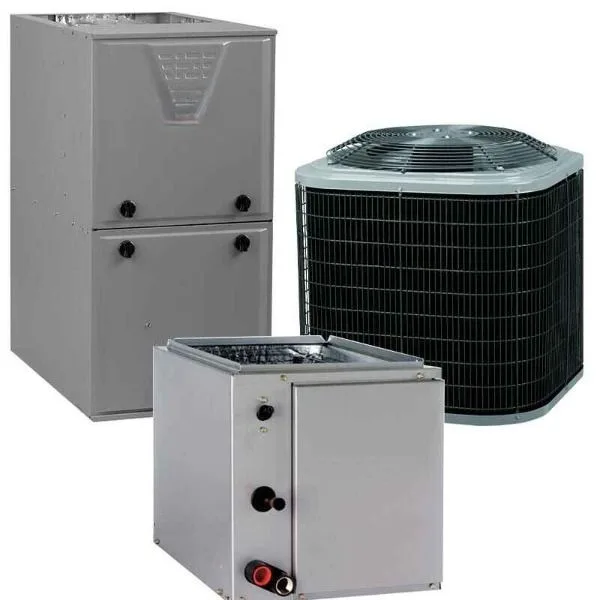
- Exact equipment models, capacities, efficiency ratings, and the indoor/outdoor components included.
- How the contractor determined the proposed system size and compatibility with your home.
- Installation scope: removal and disposal, equipment connections, and any included duct, electrical, venting, or condensate work.
- Who handles permits and inspections when required.
- Startup, testing, thermostat setup, and homeowner instructions.
- Exclusions, allowances, and the process for approving additional work.
- Total installed price, payment schedule, estimate expiration, and proposed scheduling.
- Manufacturer parts coverage and installer labor coverage, including registration or maintenance conditions.
A bundled installed price can still be clear. The important thing is knowing what it covers.
Understanding Cost Factors in Estimates
Price can change with equipment capacity, efficiency, access, installation complexity, and the condition of existing connections or ductwork. Compare the same scope before comparing totals. If one proposal costs more, ask what additional equipment, work, or coverage it includes.
A higher efficiency rating is not a promise of a particular utility bill. Actual use and savings depend on the home, weather, energy prices, controls, and installation. Ask for the assumptions behind any savings estimate.
The Importance of Rebates and Financing Options
Keep the full installed price separate from any estimated incentives. Ask which equipment and utility account qualify, who submits the application, what documentation is needed, and whether an incentive is a confirmed discount or a payment you would receive later. Availability, deadlines, and funding can change.
If you are comparing financing, review the written APR, term, fees, total payments, and any promotional conditions from the financing provider. A monthly payment alone does not show the total cost. Approval and terms depend on the provider.
Next Steps: What to Do with Your Estimate
Review the equipment and scope, mark anything unclear, and ask for written answers before approving. Confirm that your preferred option includes the work you discussed and that optional upgrades are clearly identified.
Keep a copy of the estimate and the version you approved, along with warranty and startup documents after installation. If you want help comparing replacement paths, request an estimate from CoolDeals Heating & Air and bring your comfort concerns and questions.