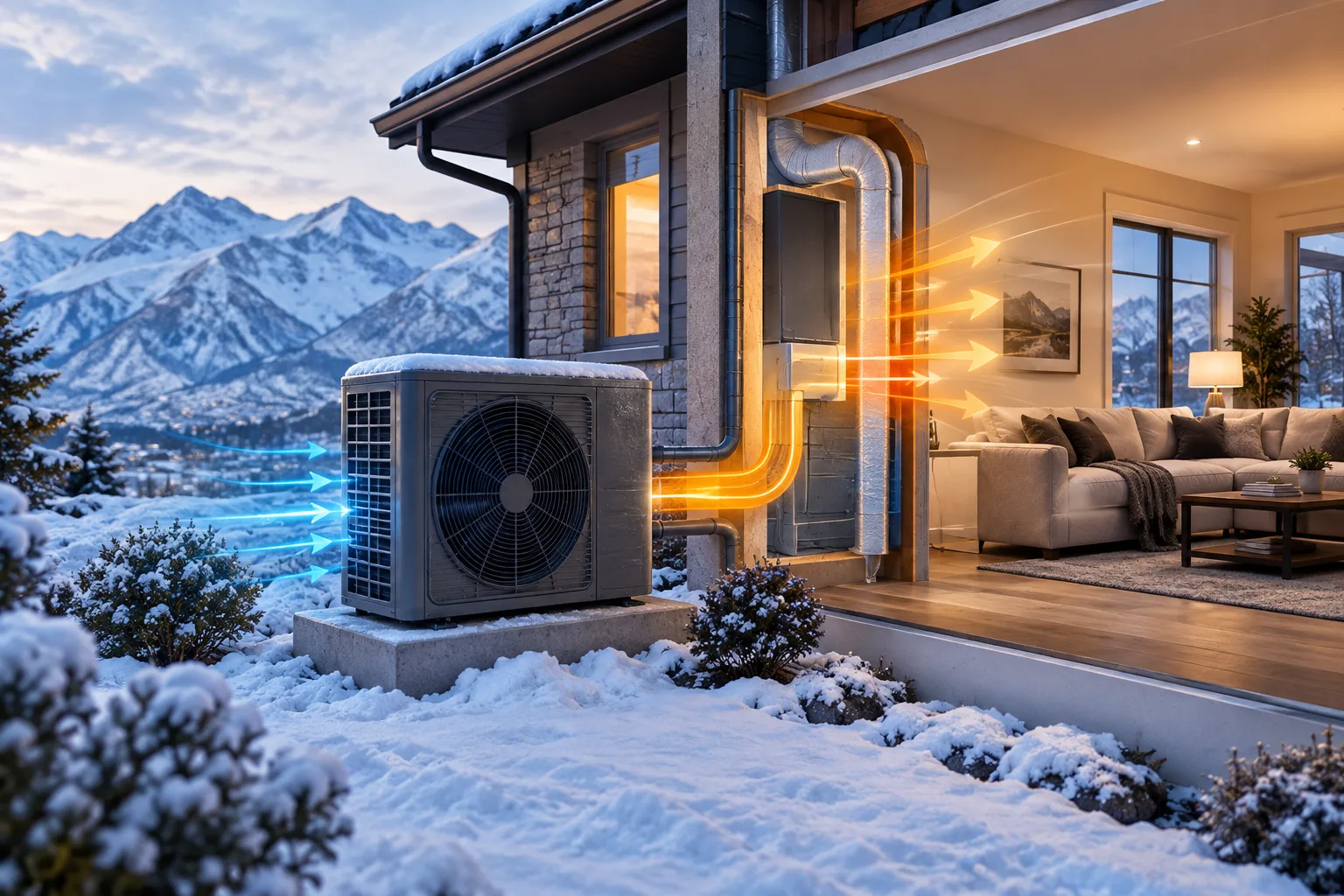
As Utah homeowners prepare for the impending winter chill, many wonder if heat pumps can effectively handle colder temperatures. This article explores the performance of heat pumps in Utah during winter months. We will discuss essential features to consider, comparisons with traditional heating systems, and practical next steps for homeowners evaluating their heating options for the season.
Understanding Heat Pumps
Heat pumps are versatile systems that provide both heating and cooling, making them an excellent investment for year-round comfort. In particular, inverter heat pumps can modulate their output to match home heating demands more precisely, providing enhanced comfort and efficiency. For Utah homeowners, understanding how these systems work is crucial in assessing their suitability for chilly winters. They extract heat from the outside air—even in cold conditions—and transfer it indoors, which means they remain functional in temperatures that would challenge traditional heating systems. This adaptability is a key reason why many consider heat pumps despite previous misconceptions about their limitations in colder climates.
Performance in Cold Weather
Many homeowners wonder, 'Do heat pumps work well in winter?' The answer is yes, especially when equipped with the latest technology. Modern heat pumps, particularly those designed for colder climates, can operate efficiently in temperatures well below freezing. They maintain a stable indoor temperature and provide reliable heating even when outdoor temperatures drop. It's important to note that while heat pumps can work in cold temperatures, their efficiency can vary based on factors like the model, installation quality, and the home's insulation. Homeowners should therefore consider these aspects to ensure optimal performance throughout the winter months.
Comparing Heat Pumps with Traditional Heating Systems
When comparing heat pumps to traditional heating systems, such as gas furnaces or electric heaters, comfort and efficiency take center stage. Heat pumps provide steady, even heating and are generally quieter than many gas systems. On top of that, they often have lower operational costs, especially with utility rebates and energy-efficient models available. Conversely, traditional heating systems can often deliver higher heat outputs in extreme cold. It's crucial for Utah homeowners to evaluate their specific needs, such as the square footage of their home and insulation quality, and how these features align with the capabilities of their heating system. Understanding these distinctions can guide homeowners in selecting the right system for long-term comfort.
Evaluating Installation and Maintenance
Choosing the right heat pump also entails considering installation and ongoing maintenance. Proper installation by a qualified technician is crucial to ensure the heat pump operates effectively, maximizing its efficiency throughout winter. Homeowners should inquire about the experience and certifications of their HVAC provider, as this can significantly impact performance. Additionally, regular maintenance checks can help identify potential issues before they escalate, ensuring that the system runs smoothly. A suitable service plan can support both the lifespan of the equipment and the comfort level in your home during cold winters.
Making an Informed Decision
As winter arrives, homeowners must carefully evaluate their options for heating. Whether considering the efficiency of heat pumps or the reliability of traditional systems, gathering information and expert advice can empower better decision-making. CoolDeals Heating & Air offers installation, expert diagnostics, and assistance with rebates for those looking to upgrade their heating systems. By requesting an estimate, homeowners can explore their options in detail, ensuring they make the best choice for their family's comfort this winter.